Generative AI
AI Engineering

Generative AI

LLM applications that earn their keep in production.

Generative AI is easy to prototype and hard to operationalize. Token costs compound, quality drifts, and prompt changes break downstream flows silently. We build LLM applications with cost-aware architectures, retrieval that actually improves recall, and inference stacks tuned to your latency and budget.

68%
Avg cost reduction
3–10 wk
Typical timeline
50+
LLM apps shipped
4.1×
Avg quality improvement
Client outcome
68% avg cost reduction across 50+ LLM apps we've shipped.

Measured across similar ai engineering engagements we've shipped.

Get a proposal
StackOpenAIAnthropicGoogle GeminiLangChainLlamaIndexPineconeWeaviateRedis

What we build

01
RAG systems

Hybrid retrieval — dense embeddings plus BM25 — with re-ranking, metadata filters, and citation attribution. Retrieval that actually finds the right chunk, not just a similar-sounding one.

02
Cost-aware architecture

Prompt caching, model routing (cheap model for classification, expensive model for generation), batch inference, and quantization — we cut per-call costs without touching quality.

03
Structured generation

JSON-mode, function calling, and Instructor-style output parsing that turns LLM responses into typed, usable objects your downstream systems can trust.

04
Multi-modal pipelines

Vision, document parsing, and audio transcription fed into your LLM pipeline with proper chunking, grounding, and source attribution.

05
Guardrails & moderation

Content policy enforcement, PII detection, hallucination detection, and output filtering built into every pipeline — not added as an afterthought.

06
Inference stack optimization

vLLM, TGI, or provider APIs — benchmarked and tuned for your throughput, latency, and cost requirements with monthly review cycles.

How we Deliver
Week 1
Use case & data audit
We map the data, define quality metrics, and estimate token cost before writing any code. No surprises at the first invoice.
Week 2–4
Prototype & eval
Rapid prototype with automated eval on real data. You see quality and cost numbers on your actual content, not synthetic benchmarks.
Week 4–8
Production hardening
Prompt versioning, cost controls, rate limiting, caching, and monitoring — the plumbing that keeps LLM apps stable at scale.
Week 8+
Iterate & optimize
Monthly eval reviews, prompt updates, and model upgrades reviewed against your quality baselines before any change ships.
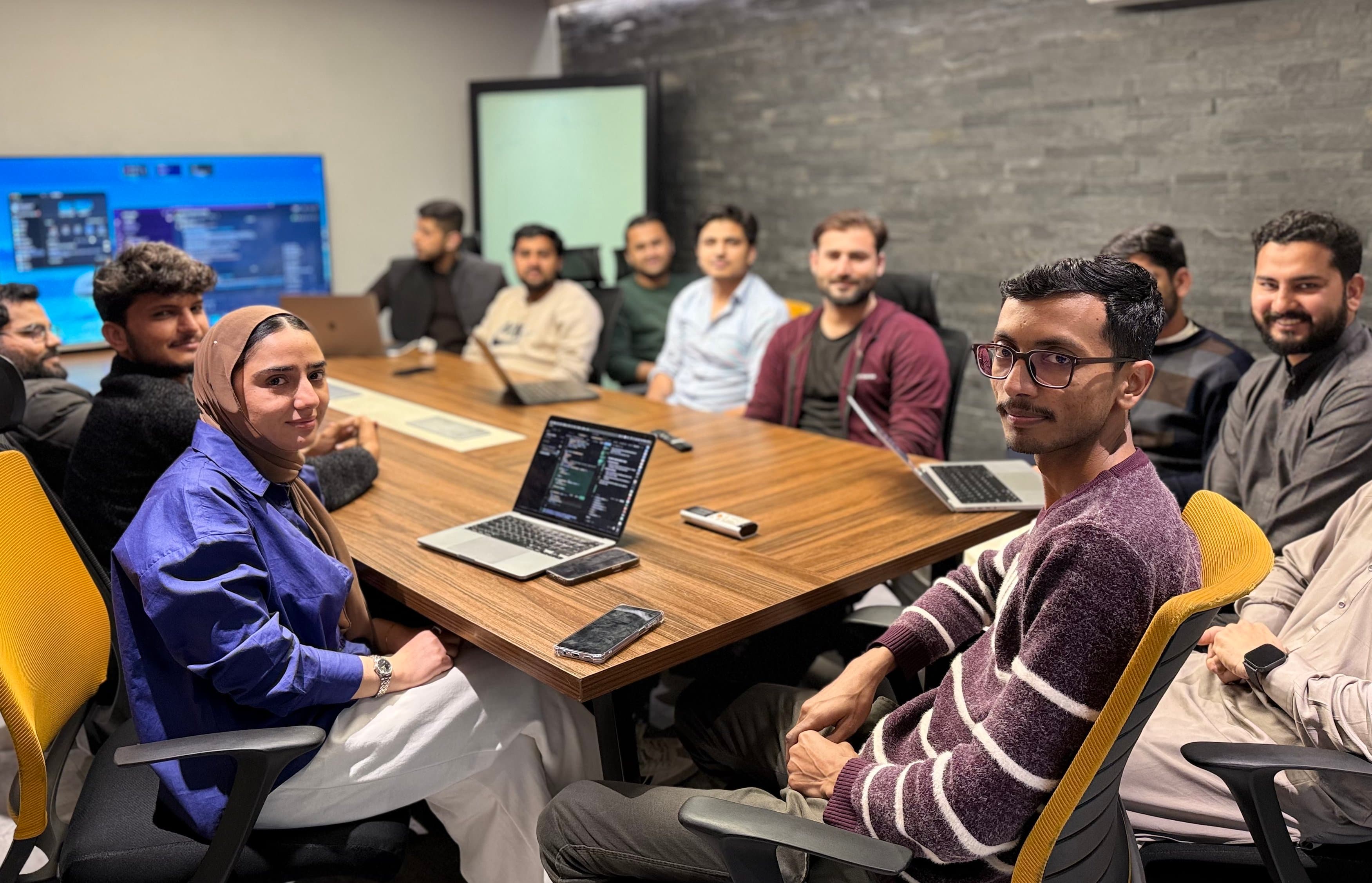
Evolve Edge team

From Evolve Edge

We don't ship AI without an eval harness. Not because clients ask — because it's the only way to know the system is actually working in production.

FAQ

RAG or fine-tuning — which do we need?
RAG for knowledge that changes (product docs, policies, customer data). Fine-tuning for behavior that needs to change (tone, format, task-specific reasoning). Many production systems use both.
How do you control token costs at scale?
Prompt caching, model tiering, batch inference, and per-user cost budgets with hard caps. We've cut costs 40–70% on inherited systems without touching user-facing quality.
What LLM providers do you work with?
OpenAI, Anthropic, Google Gemini, Cohere, Mistral, and self-hosted open-weight models. We choose based on quality, cost, and your data-residency requirements — not vendor preference.
Can you handle multilingual content?
Yes. We've built multilingual RAG systems supporting 20+ languages with cross-lingual retrieval and language-aware generation tuned per locale.

Ready to scope this?

Start your Generative AI engagement

A senior engineer will review your project and reply within one business day with a clear next step.